India’s creator economy is booming, and short-form video content has become the primary battleground for creators seeking to monetize their passion.
With over 2 billion YouTube users and 230 million Instagram users in India, both YouTube Shorts and Instagram Reels present significant earning opportunities.
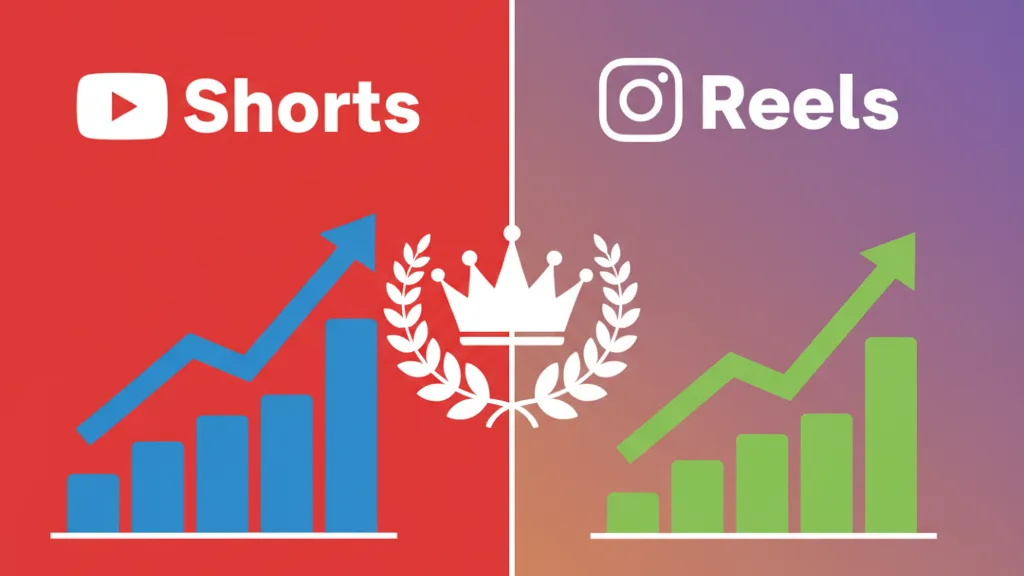
However, the critical question remains: which platform actually pays more?
Based on extensive 2025 data, Instagram Reels dominates in direct creator payouts, offering creators 10-20x higher RPM rates compared to YouTube Shorts, though YouTube compensates with its broader ecosystem and predictable monetization structure.
This comprehensive analysis breaks down the earnings potential, monetization methods, eligibility requirements, and strategic considerations for Indian content creators choosing between these two dominant short-form video platforms.
Understanding the Short-Form Video Revolution in India
The landscape of short-form video content in India underwent a seismic shift following the 2020 TikTok ban, which created an immediate vacuum that Instagram Reels and YouTube Shorts quickly filled.
When TikTok disappeared from the Indian market, both Meta and Google accelerated their short-form video initiatives to capture the creator community that had relied on the Chinese platform for monetization and audience growth.
Today, these two platforms represent the dual pillars of India’s short-form video ecosystem, each serving distinctly different creator needs and audience behaviors.
Instagram Reels, launched in 2020 as Meta’s direct response to TikTok’s dominance, quickly became India’s most engaged short-form video platform. According to recent IPSOS research commissioned by Meta, 9 in 10 social media users prefer Instagram Reels, placing the platform at least 12 percentage points ahead of other surveyed platforms for short-form video consumption.
This preference translates into tangible advantages for creators seeking viral reach and immediate engagement. The platform’s algorithm-driven discovery system, combined with its seamless integration into the Instagram ecosystem (Stories, DMs, Shopping features), makes Reels exceptionally effective for building audiences rapidly.
YouTube Shorts, while launched simultaneously with Reels in 2020, took a different strategic approach by leveraging YouTube’s existing 2.49 billion user base and integrating short-form content into the broader YouTube ecosystem. Unlike Reels’ trend-first approach, YouTube Shorts emphasized content discovery through search, recommendations based on long-form viewing history, and integration with the YouTube Partner Program. This fundamental difference in strategy has profound implications for how creators earn money on each platform.
YouTube Shorts vs Instagram Reels: Earnings Comparison for Indian Creators
YouTube Shorts Monetization: The Numbers Behind the Growth
YouTube Shorts’ monetization framework operates through a fundamentally different mechanism compared to Instagram Reels. Unlike traditional YouTube videos where creators earn directly from embedded ads, Shorts revenue is pooled collectively and distributed based on creators’ share of total platform views. This pooling mechanism, introduced in 2023 when YouTube incorporated Shorts into the YouTube Partner Program, represents a significant shift from earlier approaches but continues to generate substantially lower earnings per view compared to Reels.
Earnings Metrics for YouTube Shorts in India
For Indian creators, YouTube Shorts RPM (Revenue Per Mille, or earnings per 1,000 views) ranges from ₹0.50 to ₹3, with most creators reporting earnings in the lower range of this spectrum. When converted to CPM (Cost Per Mille, what advertisers pay), YouTube Shorts in India typically commands ₹20 to ₹180 per 1,000 views, depending heavily on content niche and viewer demographics. For practical context, if a creator achieves 1 million views on a YouTube Shorts video, they can expect earnings between ₹500 to ₹3,000, which pales in comparison to traditional YouTube videos where similar view counts might generate ₹50,000 to ₹2,00,000.
According to real creator data shared by TubeBuddy, a YouTube optimization platform with direct access to monetization data, 1 million YouTube Shorts views generated approximately ₹32 ($0.32) in earnings. This figure becomes more contextual when understanding that the company’s analysis revealed an average RPM of merely $0.05 (approximately ₹4 per thousand views) for Shorts globally, though Indian rates show slightly better performance at ₹0.50-3 due to differing advertiser competition and audience demographics.
The regional variation in YouTube Shorts earnings is substantial. While American creators enjoy RPM rates of ₹24 to ₹240 ($0.328) on average, Indian creators receive significantly lower rates at ₹0.008 to ₹0.06 per 1,000 views, a disparity reflecting India’s lower advertising rates compared to Western markets. This geo-arbitrage disadvantage represents the single largest factor limiting YouTube Shorts earnings for Indian content creators.
Eligibility and Monetization Requirements for YouTube Shorts
To monetize YouTube Shorts, creators must navigate a relatively straightforward but demanding set of requirements established by YouTube. The YouTube Partner Program imposes two-tiered eligibility criteria:
Fan Funding Access requires either 500 subscribers plus 3 million valid Shorts views in the past 90 days, or 500 subscribers plus 3,000 watch hours on long-form videos and three public posts in the past 90 days. This tier unlocks access to paid channel memberships, Super Chat, Super Stickers, and Super Thanks features but not ad revenue.
Ad Revenue Access, the more lucrative tier, requires either 1,000 subscribers and 10 million valid Shorts views in the past 90 days, or the traditional requirement of 1,000 subscribers and 4,000 public watch hours on long-form videos in the last 365 days. Once approved, creators receive monthly payouts on the 21st of each month through AdSense, with YouTube handling all currency conversions and international transfers.
The strictness of these requirements—particularly the 10 million Shorts views in 90 days threshold—means that only dedicated, consistent creators who post regularly can qualify for YouTube’s monetization program. This barrier to entry, while ensuring quality, also excludes casual content creators who might succeed on more accessible platforms.
Instagram Reels Monetization: Superior Payouts with Complex Requirements
The monetization landscape for Instagram Reels presents a strikingly different picture compared to YouTube Shorts. While Instagram never established a direct ad revenue sharing model comparable to YouTube’s Partner Program, the platform has systematically developed alternative monetization pathways that, collectively, generate substantially higher earnings for successful creators. Most critically, Instagram Reels creators report earning ₹60 per 1,000 views through bonus programs, compared to YouTube Shorts’ ₹0.50-3—representing an earnings gap of 10-100x in Instagram’s favor.
Earning Metrics for Instagram Reels in India
For creators with active Reels, Instagram’s direct payout through its invitation-only seasonal bonus programs offers RPM rates of ₹20 to ₹200, with most high-performing creators accessing the higher end of this range. Through sponsored content and brand partnerships—which constitute the primary revenue stream for Reels creators in India—CPM rates range from ₹30 to ₹150 for general categories, reaching ₹35-50 for beauty and fashion niches. For creators managing larger audiences, these rates scale significantly, with 100K follower accounts earning ₹1,500 to ₹5,000 per sponsored Reel, compared to YouTube Shorts rates of ₹1,000 to ₹4,000.
A concrete illustration of this income gap emerges when analyzing view requirements. To earn ₹1,000 monthly income, Instagram Reels creators need approximately 500,000 to 1 million monthly views, while YouTube Shorts creators require 800,000 to 1.5 million views—meaning Instagram creators need 37-50% fewer views to achieve identical income. During promotional periods or when creators participate in Instagram’s special bonus initiatives, this advantage expands further, with some creators reporting earnings of ₹1,000 from as few as 300,000 views.
Revenue Diversification on Instagram Reels
The critical distinction between Instagram Reels and YouTube Shorts lies not merely in RPM rates but in the multiplicity of revenue streams available on Instagram. While YouTube Shorts primarily relies on ad revenue sharing (supplemented by sponsorships), Instagram Reels creators access a diverse monetization ecosystem:
Brand Collaborations and Sponsored Content represent the dominant income source for Instagram creators. According to creator economy research, brands collaborate with Instagram creators across all follower sizes, paying ₹5,000 to ₹50,00,000 per campaign depending on audience size and engagement. A notable example is fashion influencer Komal Pandey, who commands ₹4-6 lakhs per sponsored Reel through partnerships with brands like Maybelline, Amazon Fashion, and Daniel Wellington.
Affiliate Marketing through Instagram’s built-in shopping features and external affiliate programs generates ₹5 to ₹50 per Reel post on average, with top performers in beauty and fashion niches reporting monthly affiliate earnings of ₹8,000 to ₹10,000. This compares favorably to YouTube Shorts affiliate rates of ₹3-40, reflecting Instagram’s superior conversion tracking and native shopping integration.
Instagram Shop and Product Tagging enable direct e-commerce monetization, allowing creators to earn commission on products sold directly through their Reels—a feature YouTube Shorts lacks in comparable sophistication. This integration transforms Reels from content distribution channels into direct sales channels for creators with product-oriented audiences.
Paid Subscriptions represent an emerging revenue stream where creators establish exclusive subscriber-only content, with some creators like Muskan Karia reporting ₹20 lakh monthly (approximately ₹400 per subscriber × 5,000 subscribers) from Instagram subscriptions alone.
Bonus Programs include both the invitation-only seasonal bonuses and the discontinued Reels Play Bonus program. Historical data from the Play Bonus era (2020-2023) showed creators earning ₹100 to ₹200 monthly with maximum payouts reaching ₹35,000, though recent bonus iterations have reduced payout rates significantly.
Instagram Reels Eligibility Requirements
Unlike YouTube Shorts, Instagram imposes no specific follower or view thresholds for creators to begin monetizing through brand partnerships and affiliate marketing—the primary income sources. However, for direct platform payouts through Reels Bonus programs, Meta requires:
- Professional (Creator or Business) Account status
- Age 18 or older
- Compliance with Instagram’s Partner Monetization Policies
- Authentic, engaged following with no community guideline violations
- Minimum of $100 accumulated earnings before payout eligibility
This accessibility advantage means even nano-influencers with 1,000-10,000 followers can begin monetizing through brand partnerships immediately, whereas YouTube Shorts requires 1,000 subscribers and 10 million views within 90 days—an impossible threshold for 95% of creators starting their journey.
Comparative Analysis: Direct Earnings Breakdown
To properly contextualize earning potential, comparing specific creator profiles across both platforms reveals the earnings divergence clearly. A micro-influencer with 50,000 followers posting consistently on both platforms would experience dramatically different income outcomes:
YouTube Shorts Scenario: Posting 30 Shorts monthly, averaging 50,000 views each (1.5 million monthly views), with an RPM of ₹1.50 would generate approximately ₹2,250 monthly in ad revenue. Supplemented with one brand deal monthly at ₹3,000-5,000, total monthly income reaches ₹5,250-7,250.
Instagram Reels Scenario: Posting 30 Reels monthly, averaging 50,000 views each (1.5 million monthly views), with an RPM of ₹50 from bonus programs would generate ₹75,000 in direct payouts. Additionally, 4-6 brand deals monthly at ₹5,000-10,000 per Reel, plus affiliate marketing earnings of ₹8,000-12,000 monthly, creates total monthly income of ₹1,03,000-1,33,000.
This 10-20x difference represents not merely a numerical gap but a fundamental distinction in creator viability. The YouTube Shorts scenario produces income insufficient for full-time creator status, while the Instagram Reels scenario approaches financial sustainability for many Indian creators.
Algorithm and Content Performance Differences
Understanding how each platform’s algorithm prioritizes and distributes content provides insight into why earnings diverge so significantly. These algorithmic differences affect not only reach but the quality of that reach—ultimately determining per-view earnings value.
Instagram Reels Algorithm Behavior
Instagram’s algorithm prioritizes original content, trending audio, and immediate engagement signals, with particular emphasis on engagement within the first hour of posting. The platform’s “Explore and Exploit” system tests content with interest-based audiences first, then expands reach based on engagement metrics including likes, comments, and shares weighted equally with watch time. This engagement-first approach creates rapid virality potential—with trending Reels generating 143,912 average views across industries, compared to YouTube Shorts’ 54,428.
This high virality potential attracts more premium advertisers to the platform, resulting in higher CPM rates despite Instagram’s lower total user base compared to YouTube. The visual-first nature of Instagram’s feed also aligns naturally with beauty, fashion, and lifestyle brands that allocate disproportionately large advertising budgets, further inflating CPM rates for creators in these niches.
YouTube Shorts Algorithm Behavior
YouTube Shorts prioritizes watch time and completion rate, requiring 85%+ retention for optimal algorithmic performance compared to Instagram’s 70%+ requirement. The algorithm operates on a stricter completion rate model where consistent high performance across multiple videos is necessary before expanding reach. Additionally, YouTube’s algorithm seamlessly integrates Shorts with long-form video recommendations—a creator’s viral Short can drive viewers to their long-form video catalog, creating a secondary monetization pathway unavailable on Instagram.
This algorithmic design creates lower organic virality potential for individual Shorts (fewer viral breakouts) but builds sustainable channel growth over time. For creators, this means YouTube Shorts function as a growth mechanism for the overall channel rather than a direct income source, fundamentally shifting monetization strategy.
Engagement Rate Comparisons and What They Mean for Creators
Engagement metrics provide another crucial dimension for comparing platform profitability. Instagram Reels achieve 1.95% engagement rates on average, with some creator categories exceeding 33% higher engagement than YouTube Shorts. YouTube Shorts’ 0.91% engagement rate, while appearing substantially lower, reflects the platform’s different engagement patterns—YouTube users primarily express engagement through subscriptions and watch time rather than visible interactions like comments and shares.
For monetization purposes, engagement rates directly correlate with advertiser interest. Higher engagement signals indicate audience receptivity to sponsored content and brand messaging, justifying premium CPM rates on Instagram. Conversely, YouTube’s subscription-based engagement model appeals to advertisers focused on long-term audience loyalty rather than immediate viral impact, attracting different (but not necessarily lower-paying) brand categories.
Platform Preference and Market Dynamics in India
The Indian creator market has clearly signaled its preference through platform usage data. According to Fortune India’s IPSOS study, 9 in 10 Indian social media users prefer Instagram Reels, with Reels driving 33% higher engagement than competing platforms. This preference extends to content creators who increasingly view Reels as their primary platform for audience building and monetization, particularly among Gen Z and affluent urban audiences.
However, this preference doesn’t indicate YouTube Shorts’ irrelevance. YouTube maintains 2 billion monthly active users globally and remains India’s most visited website after Google, providing unparalleled reach potential for creators seeking maximum exposure. The platform’s integration with search functionality—allowing Shorts to appear in YouTube search results, not just dedicated Shorts feed—creates discovery pathways that benefit educational, tutorial, and informational content creators particularly.
Strategic Considerations for Indian Creators
The optimal platform choice depends on several creator-specific factors beyond mere earnings potential:
Choose Instagram Reels if: You seek immediate monetization, have strong engagement potential, focus on visual/lifestyle content, want to collaborate with premium brands, or aim to build a community rapidly. Reels’ bias toward engagement and trend-driven content rewards creators who understand cultural moments and trending sounds.
Choose YouTube Shorts if: You possess existing YouTube channel authority, create educational/tutorial content, prefer algorithmic predictability, want integration with long-form content monetization, or target audiences in high-CPM demographics. YouTube’s ecosystem allows monetization through multiple channels—Shorts views contribute to overall channel watch time, Super Chat/Super Stickers from community engagement, and YouTube Premium revenue.
Optimal Strategy: Most successful Indian creators pursue a dual-platform approach, cross-posting identical or slightly adapted content to both platforms. This approach leverages Instagram’s superior monetization per view while accessing YouTube’s long-form conversion benefits, affiliate partnerships, and brand deal opportunities. Creators can efficiently produce content once and adapt for platform-specific optimization, multiplying earning potential without proportionally multiplying effort.
Niche-Specific Earnings Variations
Earnings fluctuate substantially based on content niche, with certain categories commanding premium rates on both platforms:
Technology and Finance Content generates the highest CPM rates, with tech creators earning ₹25-40 CPM on Instagram and ₹25-35 on YouTube Shorts on average. Finance content reaches ₹30-45 CPM on Instagram versus ₹20-30 on YouTube, reflecting these niches’ appeal to high-value audiences engaged in financial decisions.
Beauty and Fashion Content commands ₹35-50 CPM on Instagram versus ₹20-30 on YouTube, demonstrating Instagram’s superior appeal to beauty and fashion advertisers. These niches benefit enormously from Instagram’s visual-first design and superior shopping integration.
Gaming Content represents the only category where YouTube Shorts exceeds Instagram Reels significantly, with YouTube gaming CPMs of ₹15-30 versus Instagram’s ₹10-25, reflecting YouTube’s deeper gaming community and higher engagement with gaming reviews and tutorials.
Education Content generates moderate rates at ₹15-25 on Instagram versus ₹20-30 on YouTube, with YouTube possessing a slight advantage reflecting its positioning as an educational platform.
Maximizing Earnings: Practical Strategies
Beyond choosing platforms, successful Indian creators implement specific strategies to maximize earnings:
Diversification: Successful creators don’t rely on a single income stream. Top performers combine platform ad revenue (15-20% of income), brand sponsorships (50-70%), affiliate marketing (10-20%), and increasingly, subscription models and digital products.
Niche Selection: Choosing a content niche with demonstrated monetization potential dramatically impacts earning trajectory. Creators in finance, technology, and education report 3-5x higher earnings compared to generalist entertainment creators achieving similar view counts.
Consistency: Platform algorithms reward consistency. Creators posting 3-5 times weekly see dramatically higher algorithmic distribution than sporadic posters. YouTube particularly favors consistency with its view-count-dependent monetization model.
Quality and Production: While smartphone content succeeds, professional production quality attracts premium brand partnerships. Creators investing in basic production improvements (lighting, audio, editing) report 30-50% increases in brand deal values.
Audience Demographics: Building audiences in Tier-1 Indian cities and ensuring significant viewership from high-CPM countries (US, UK, Australia) substantially increases per-view earnings. A ₹10,000 view package from US audiences can generate 5-10x higher revenue than domestic views.
Future Outlook and Platform Evolution
Both platforms continue evolving their monetization infrastructure in response to creator demand and competitive pressures. YouTube recently extended maximum Shorts length to 3 minutes, enabling more substantive content and better bridging to long-form video storytelling. Instagram has introduced breakthrough bonuses for new creators and expanded shopping features to enable direct commerce through Reels.
The competitive dynamics suggest continued monetization improvements on both platforms. As Indian advertising budgets directed toward short-form video continue growing—Meta’s projected ₹32.03 billion in 2025 ad revenue represents 24.4% growth—creator payouts will likely increase correspondingly. However, this growth will be accompanied by increasing competition, requiring creators to continuously improve content quality and audience engagement to maintain earning potential.
Conclusion: Which Platform Pays More?
The data conclusively demonstrates that Instagram Reels provides superior direct earnings potential for Indian creators, offering 10-20x higher RPM rates, more accessible monetization requirements, and superior brand partnership opportunities. For creators capable of generating 500,000-1,000,000 monthly views, Instagram Reels can support full-time creator income, whereas YouTube Shorts requires 2-3x higher view volumes to achieve equivalent earnings.
However, this advantage assumes strong engagement potential and content suitable for Reels’ trend-driven algorithm. Educational creators, tutorial producers, and channels emphasizing long-form conversions often benefit from YouTube Shorts’ integrated ecosystem and superior long-term channel growth potential, despite lower direct per-view earnings.
The optimal approach for Indian creators: Start with platform selection based on content type and audience characteristics, but implement a dual-platform strategy cross-posting content to capture both Instagram’s superior monetization and YouTube’s unmatched reach. Combine platform earnings with brand partnerships, affiliate marketing, and emerging subscription models to build sustainable, diversified income streams. In India’s competitive creator economy, success increasingly depends not on platform choice alone but on strategic multi-platform presence, consistent high-quality content production, and deliberate audience-building in high-value demographic segments.